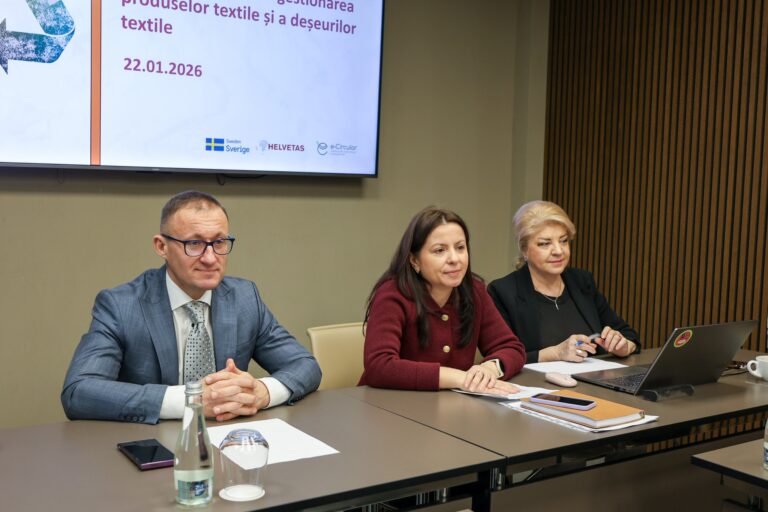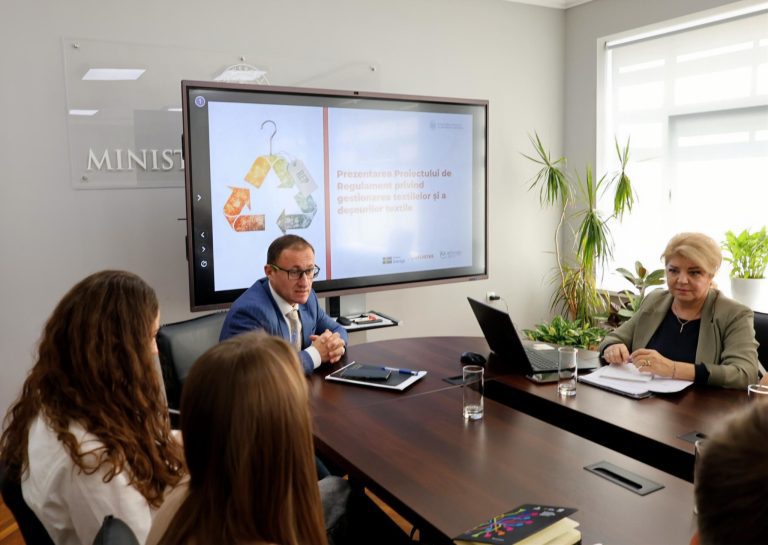
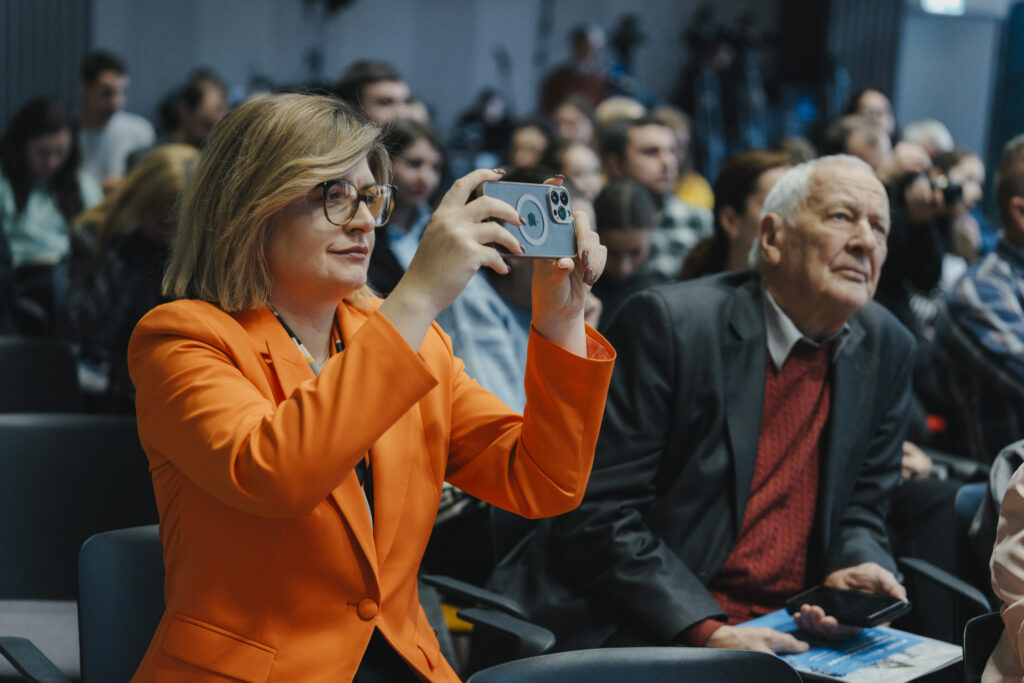
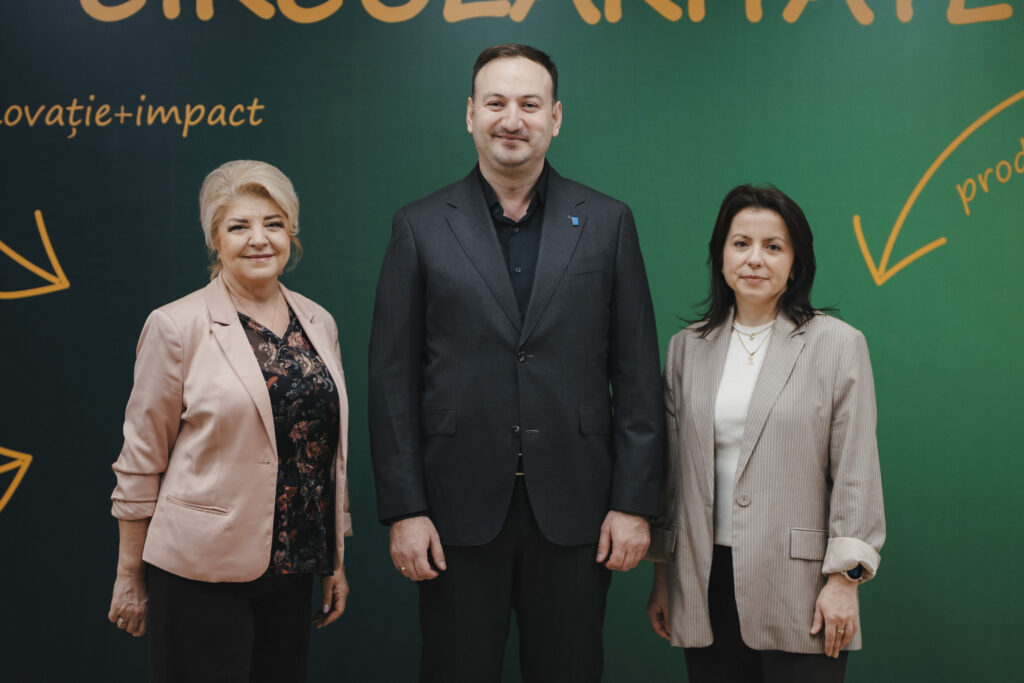
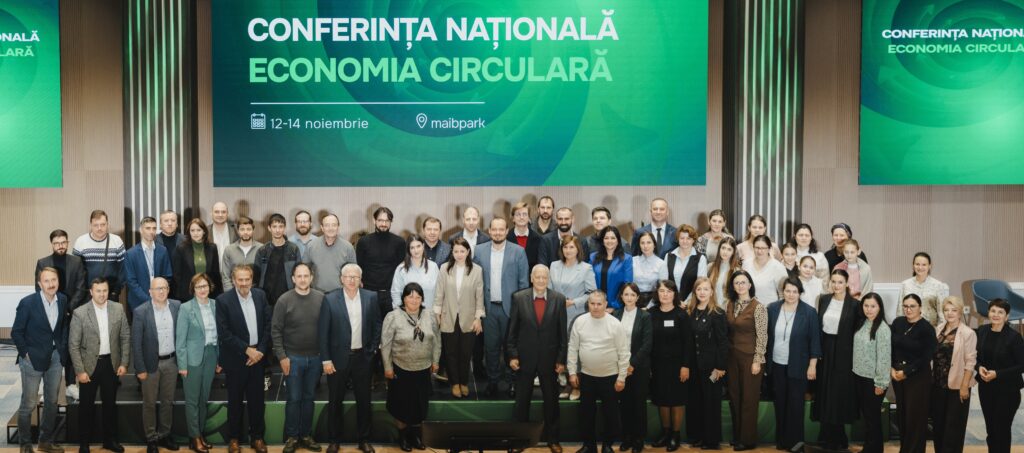
The 3rd edition of the National Conference “Circular Economy in the Republic of Moldova,” held on 12–14 November in Chișinău and organized by AO E-Circular, brought together leaders, experts, and key institutions to accelerate the country’s circular transition. The event strengthened the most important annual intersectoral dialogue platform dedicated to the circular economy, uniting representatives from public authorities, the private sector, academia, international organizations, and development partners.
This year’s theme “Circularity in a Linear World” challenges us to look beyond simple technical or legislative adjustments. It invites us to reflect on a profound transformation of how we produce, consume, and collaborate. It is a fundamental question for all countries in transition: can we achieve circularity through adaptation, or do we need a true paradigm shift?
Day 1 – Strategic Dialogue for the Circular Transition
The official opening, delivered by representatives of the Ministry of Environment, the Ministry of Economic Development and Digitalization, the Embassy of Switzerland, the Embassy of Sweden, and the Delegation of the European Union, reaffirmed the institutions’ commitment to accelerating the green transition.
„The circular economy is not built through concepts, but through concrete action.
From producers who redesign reusable packaging to businesses that turn waste into resources and communities implementing separate collection systems — every initiative matters. Partnerships between companies and local authorities already show that when innovation meets collaboration, the circular transition becomes a reality,” said Guido Beltrani, Head of the Swiss Cooperation Office, in his opening remarks.
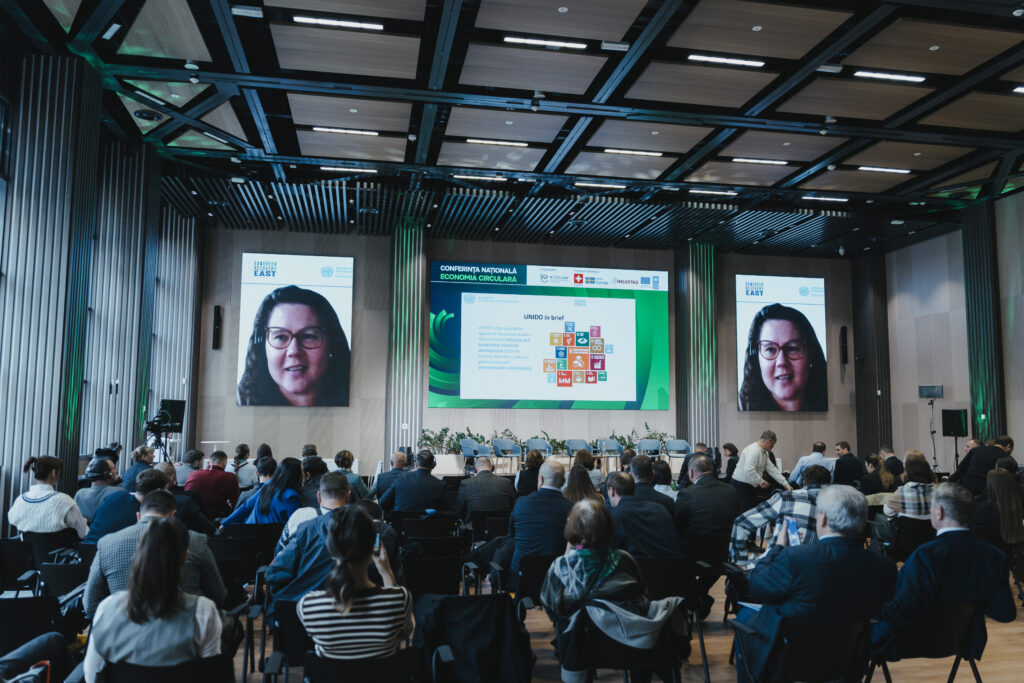
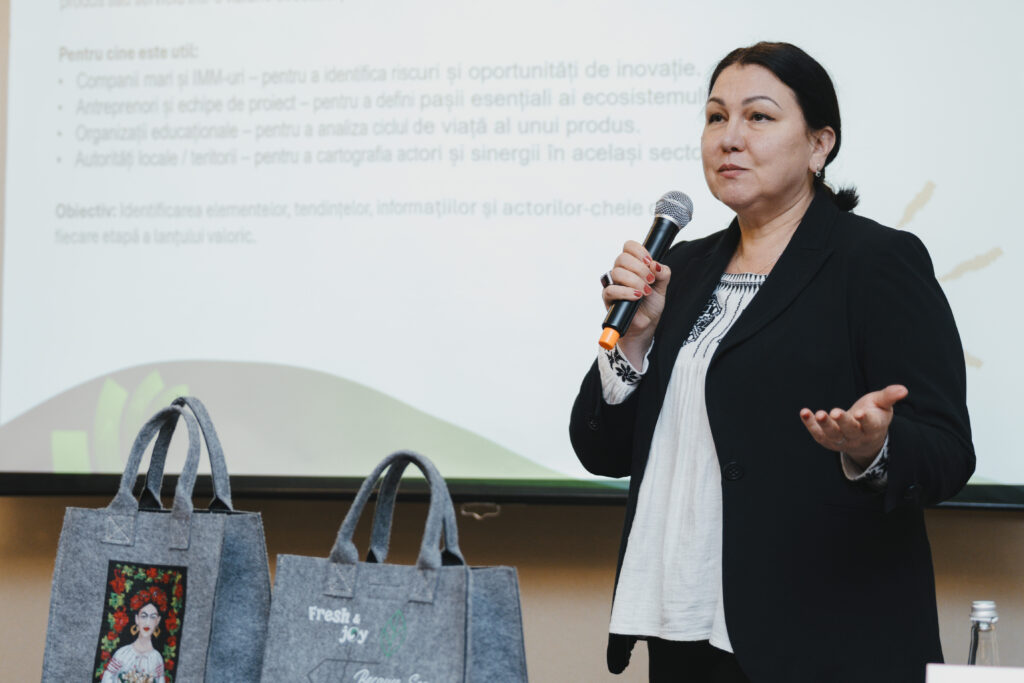
The keynote speech delivered by Esra Tat, Executive Director of Zero Waste Europe, highlighted the need to advance toward a zero-waste Europe and the strategic role that partner countries play in this transition.
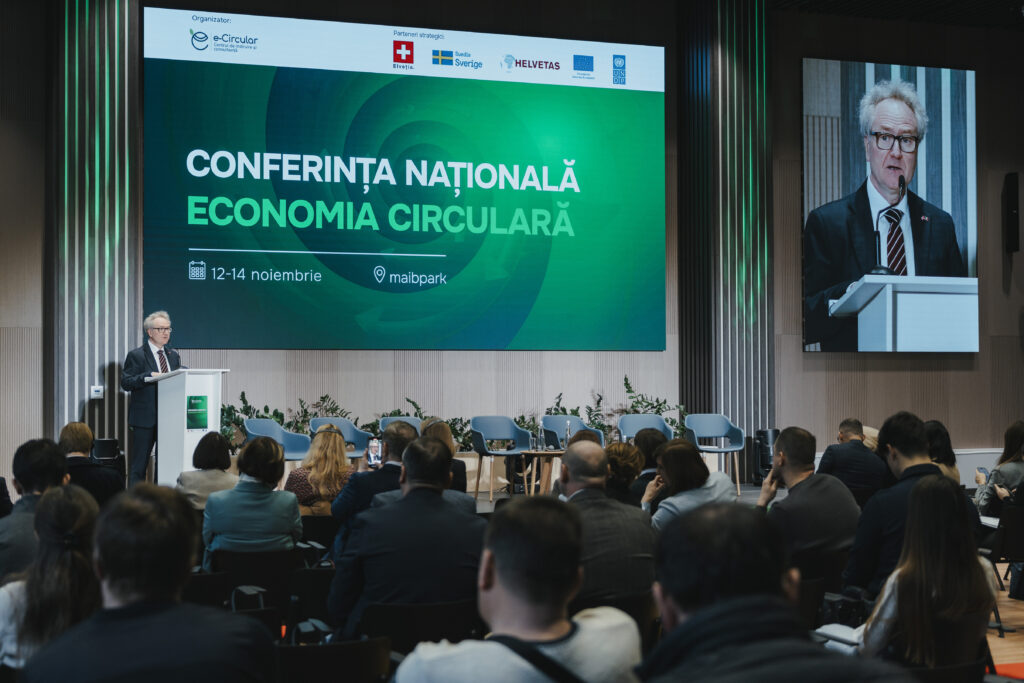
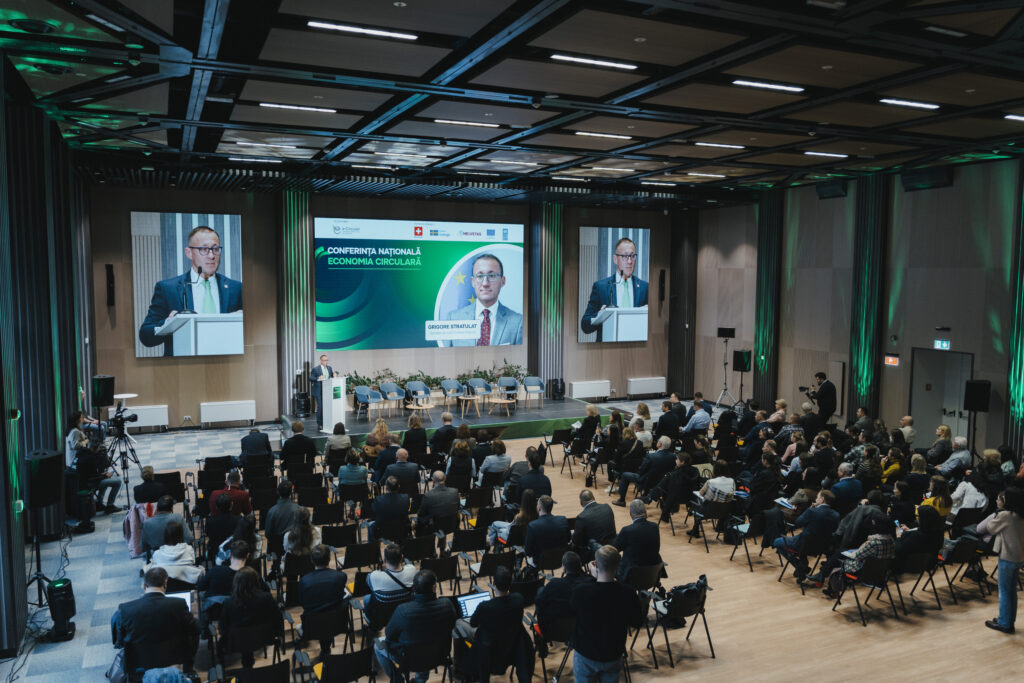
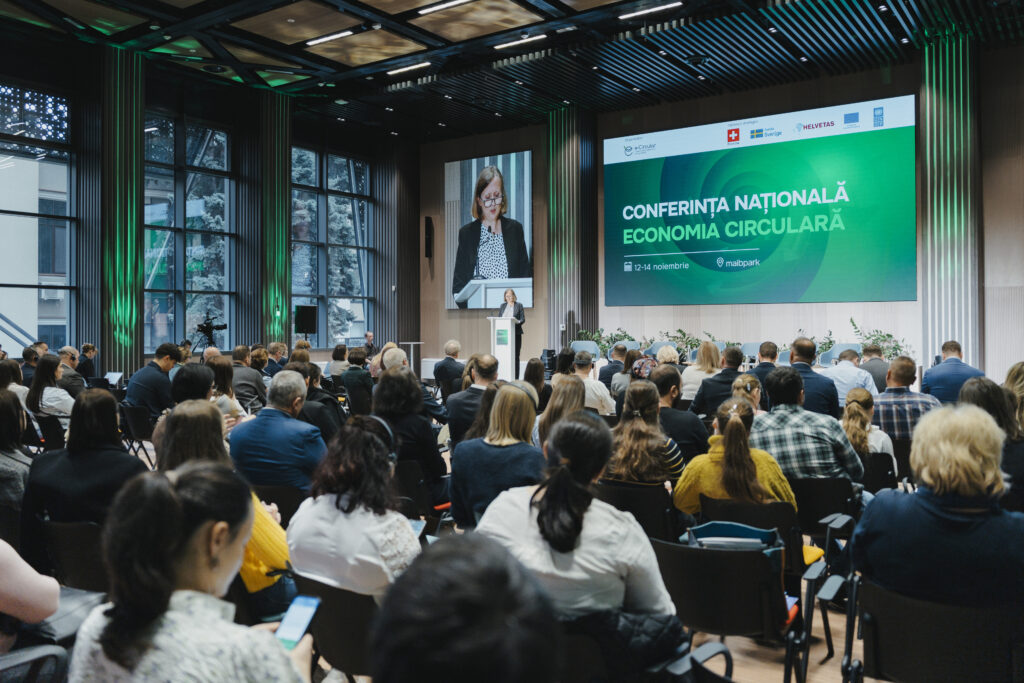
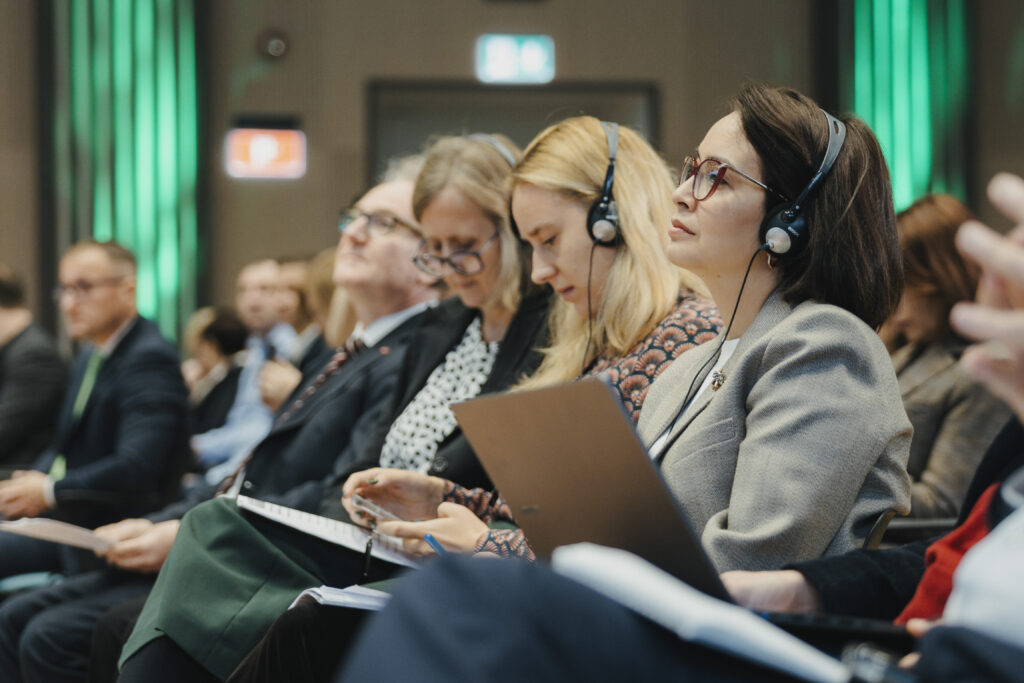
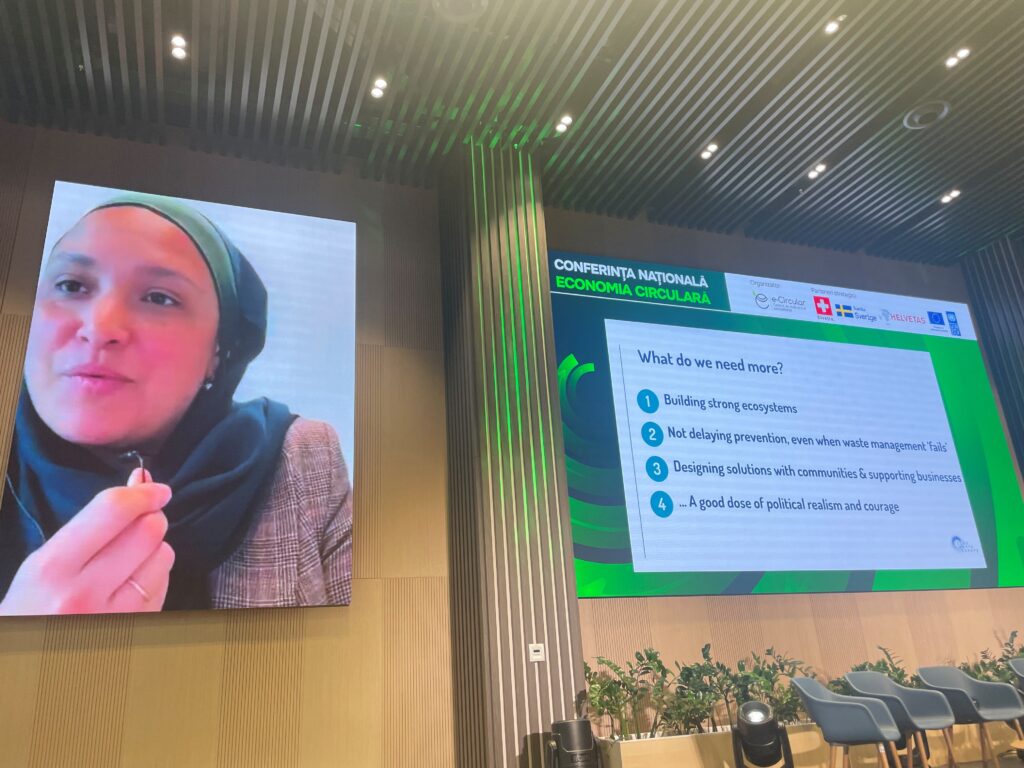

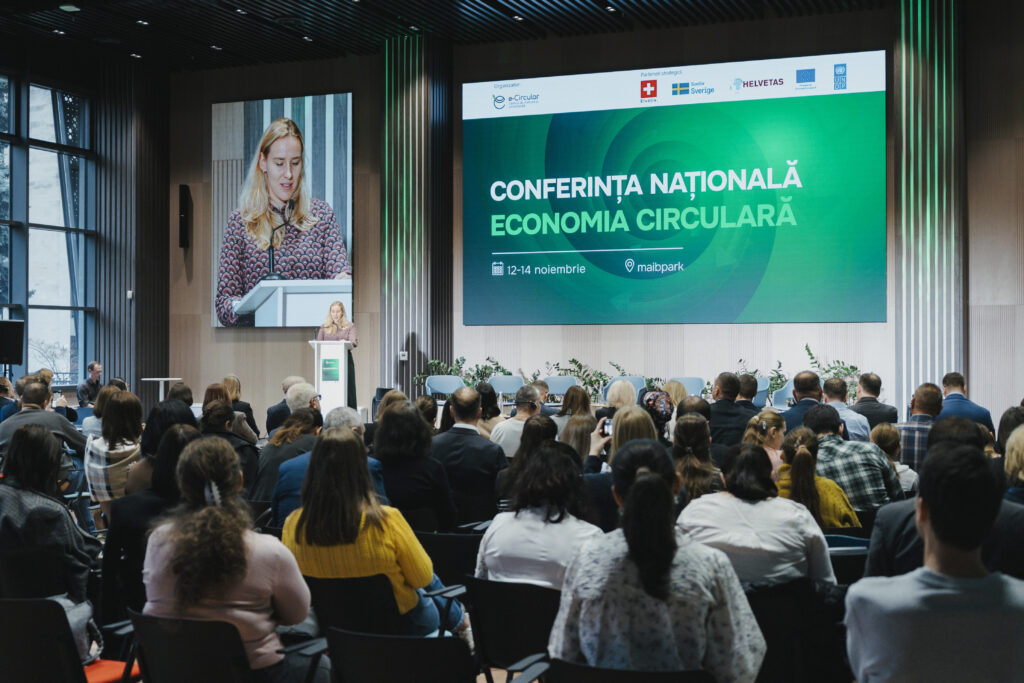
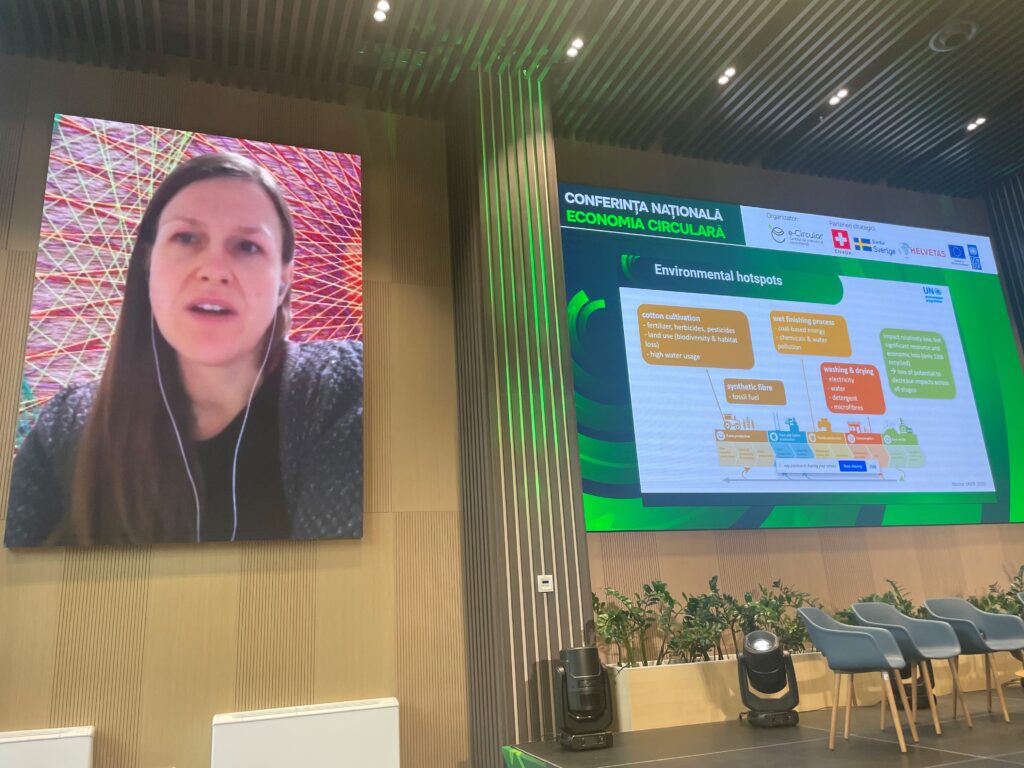


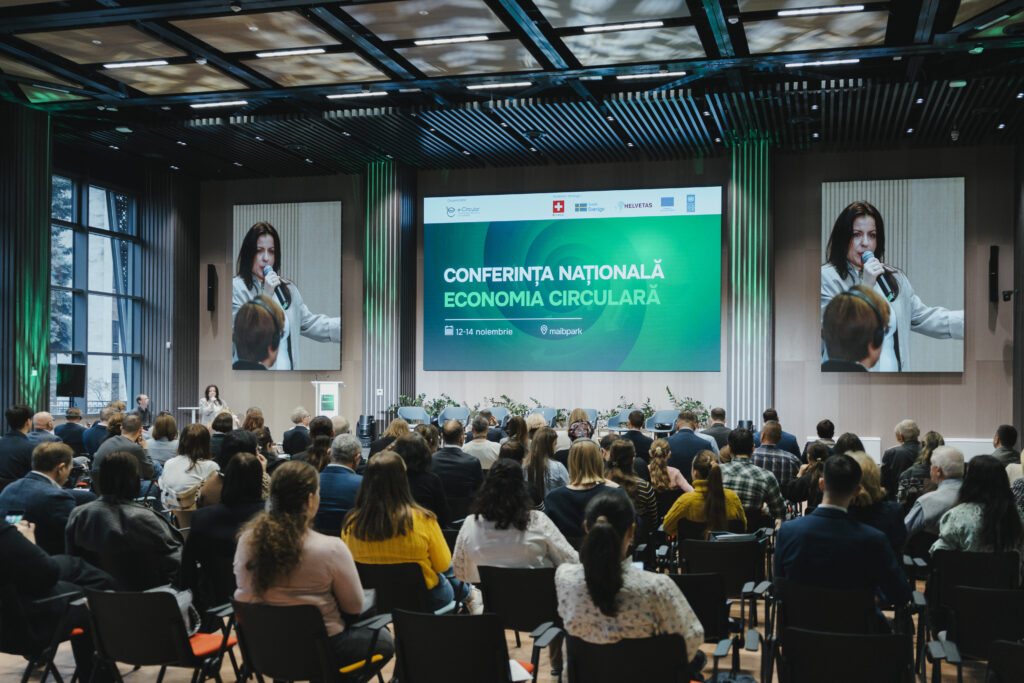
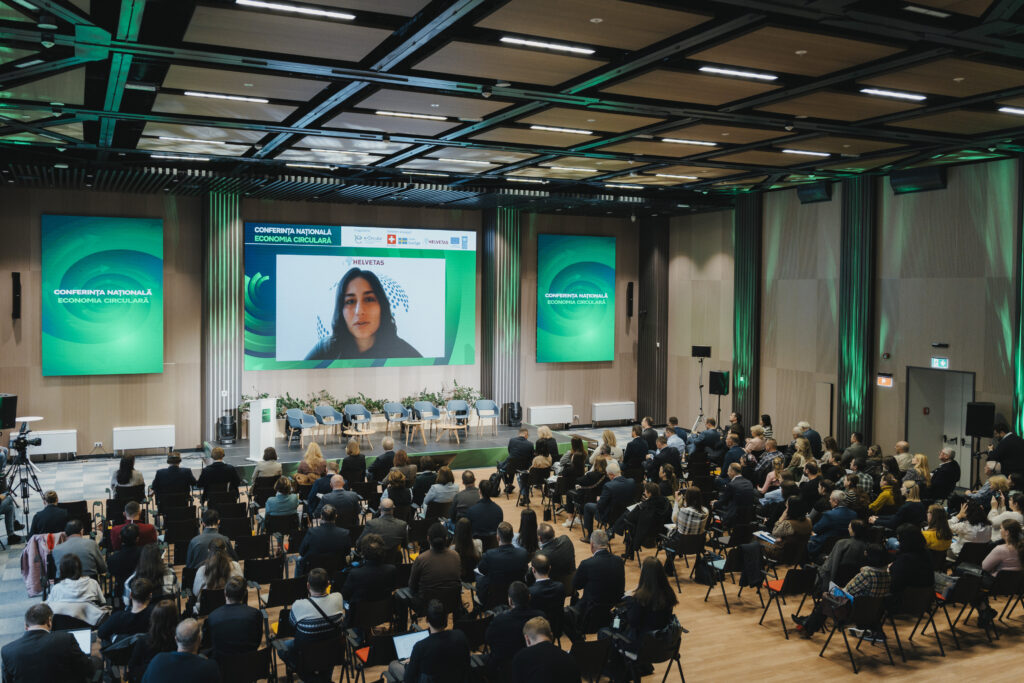
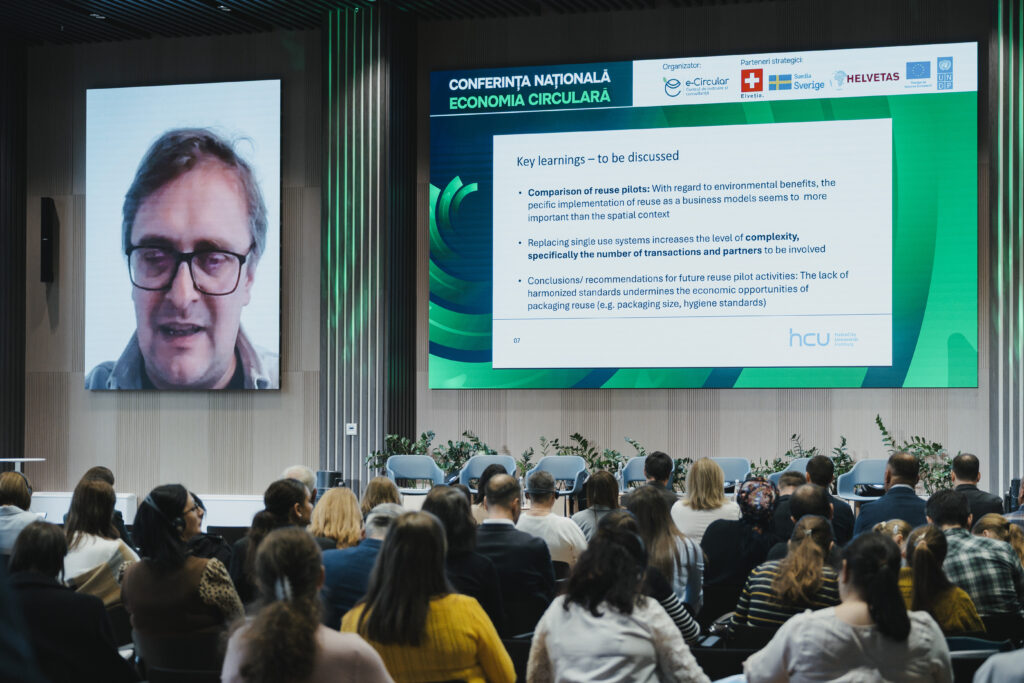


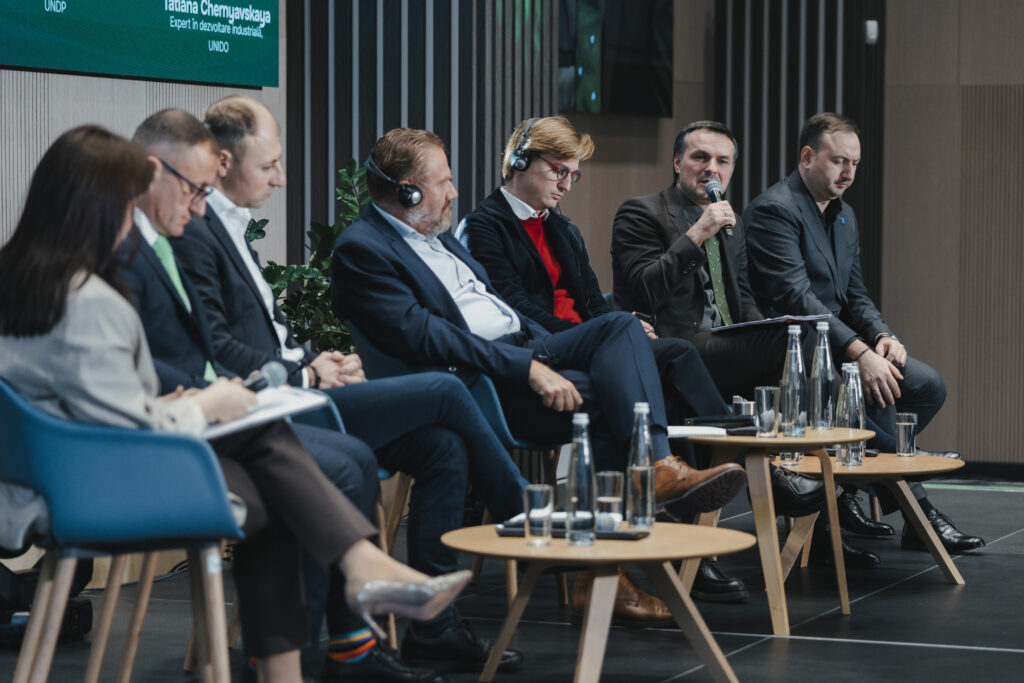
The four panel discussions addressed topics such as the implementation of Extended Producer Responsibility (EPR), waste prevention, eco-design, transition mechanisms for SMEs, and the potential of circular business models. The examples presented by companies such as Rikipal, Unfloria, TexCycle Romania, and local operators demonstrated that reuse, recycling, and the valorization of secondary resources can generate both positive environmental impact and economic value.



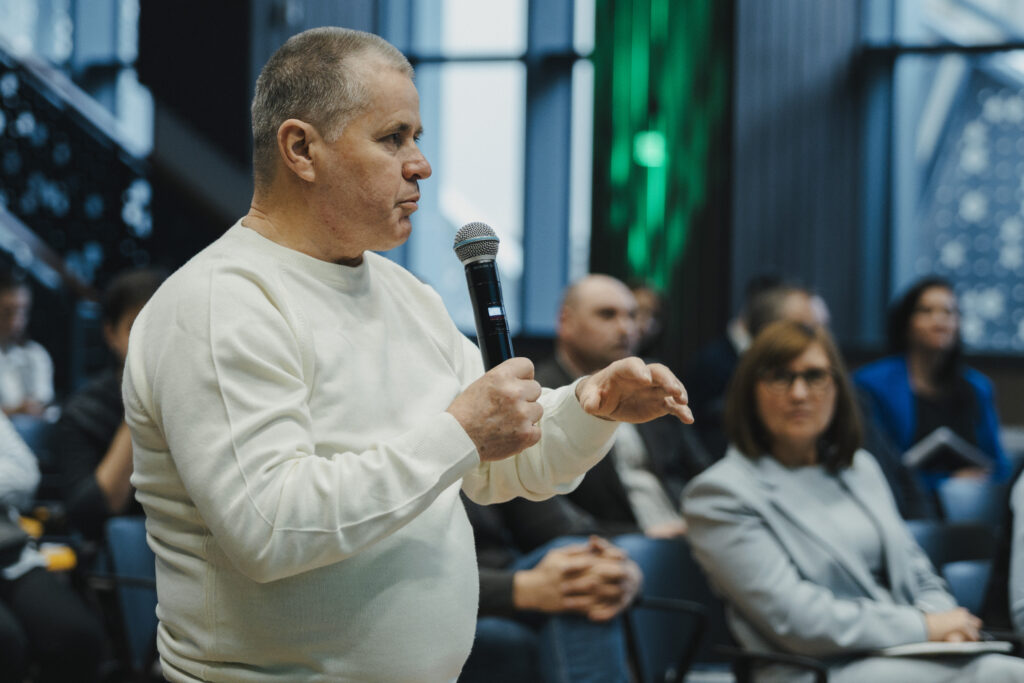

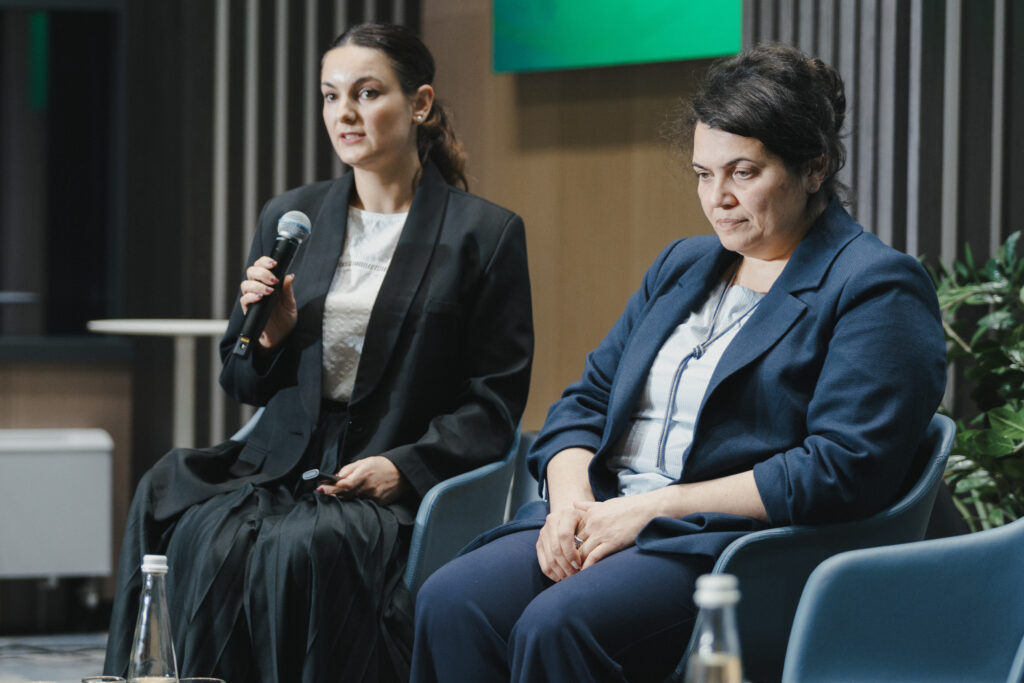
Another key focus was the role of local public authorities and the need for inter-institutional cooperation. The cases from Zubrești and Tigheci, along with international examples from Georgia and Slovenia, illustrated how local solutions can become replicable models at the national level.
For the first time, the conference was included in the National Registry of Scientific Events 2025, and a dedicated research panel highlighted academic contributions in eco-design, reuse, and the development of new skills for professionals in green sectors.
All presentations from the event are available online
Day 2 – Practical Workshops for the Private Sector
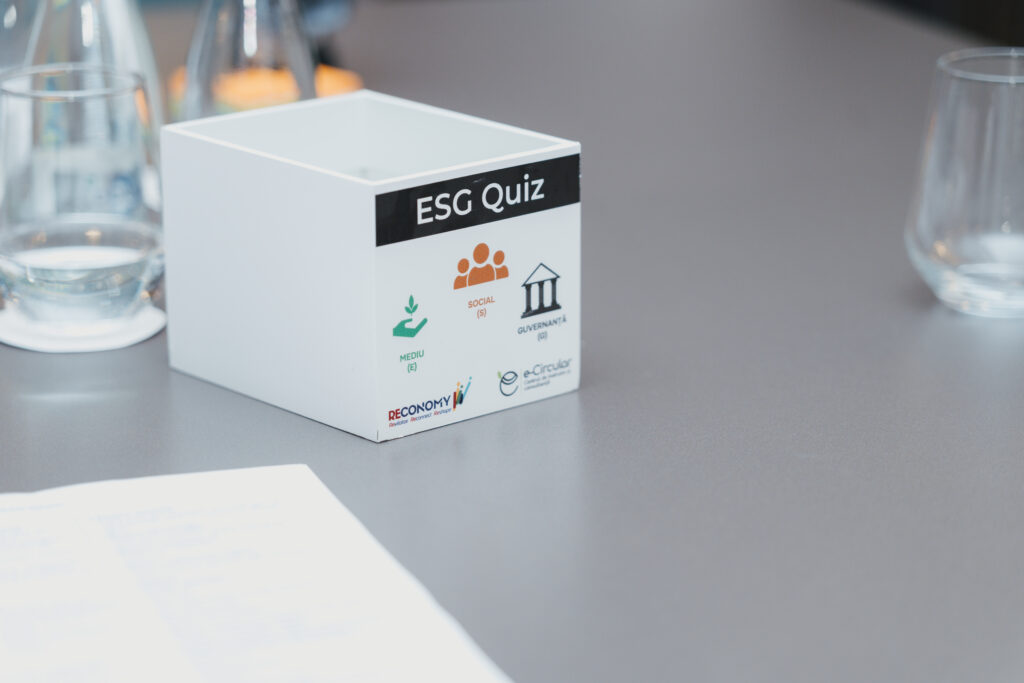
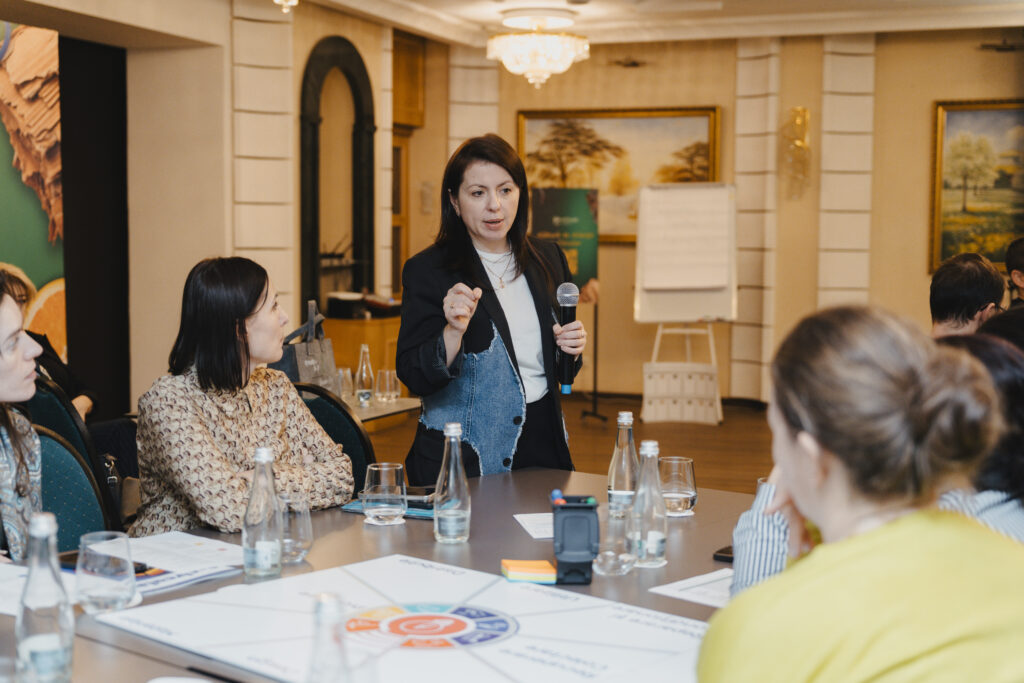
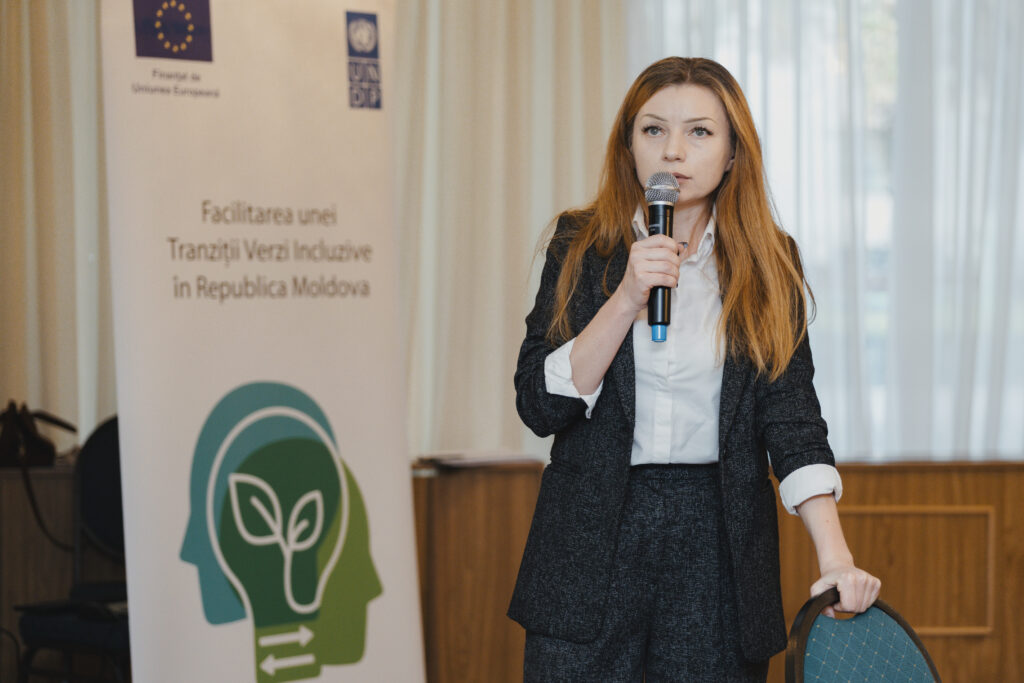
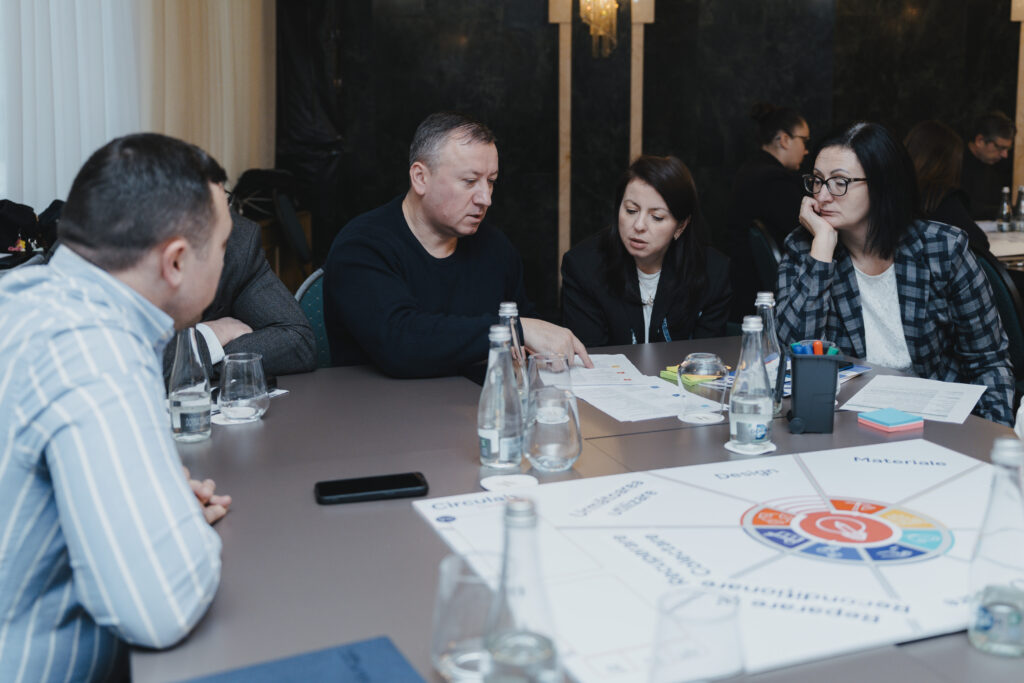
The second day provided a practical setting for the business community. The first workshop explored the connections between the circular economy and ESG reporting, with a focus on CSRD and ESRS requirements and the integration of circular principles into corporate strategies.

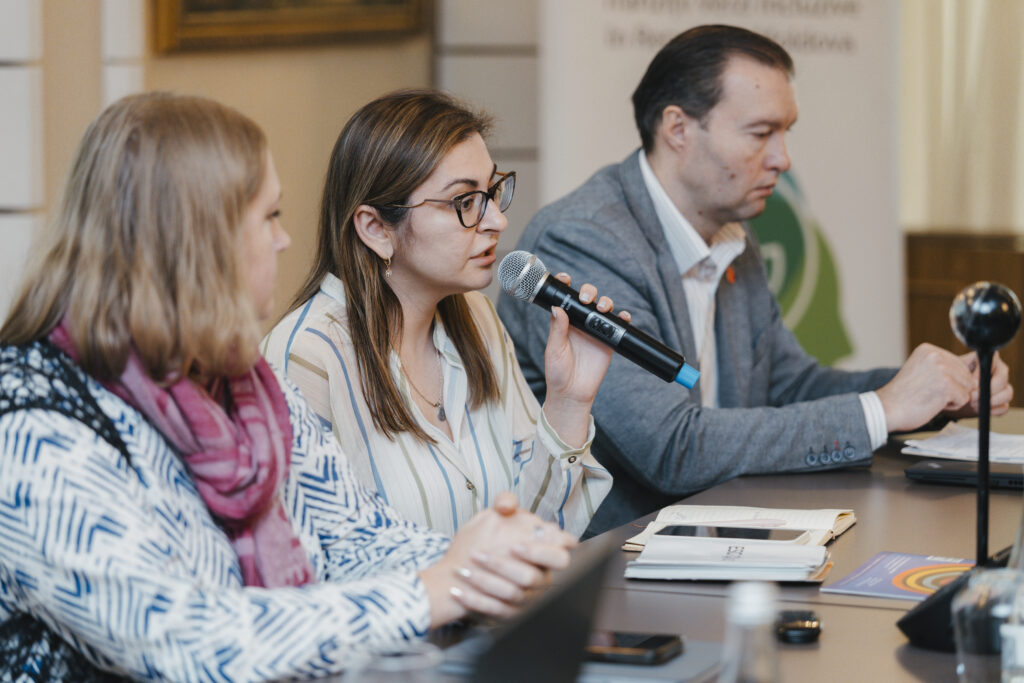

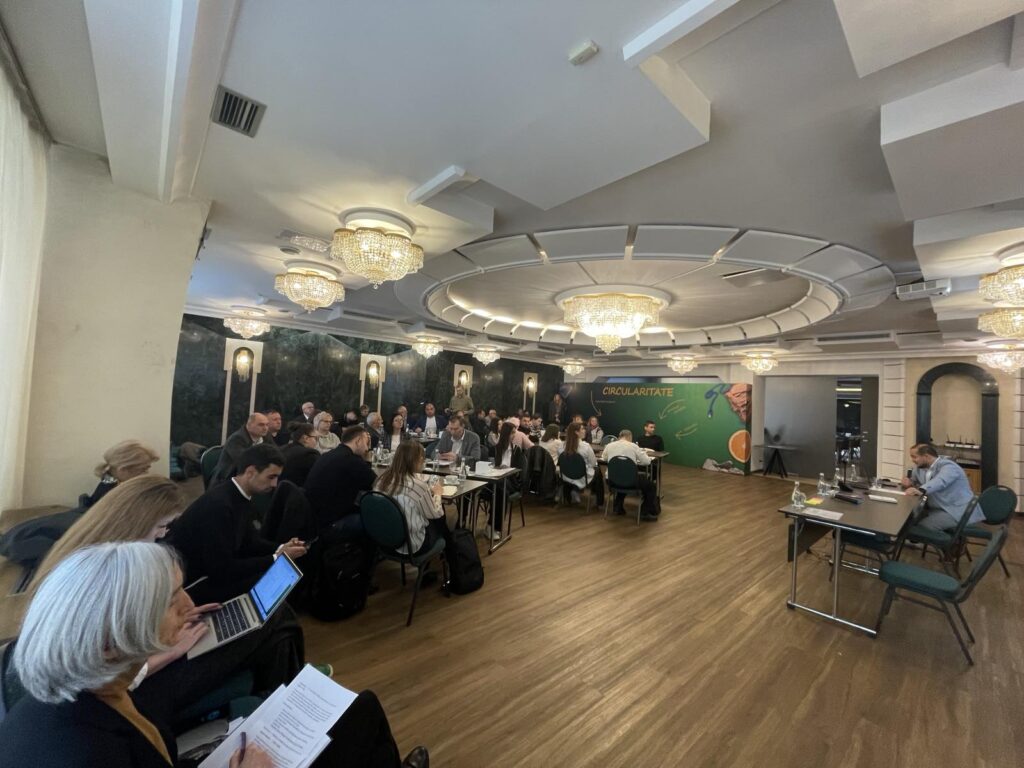


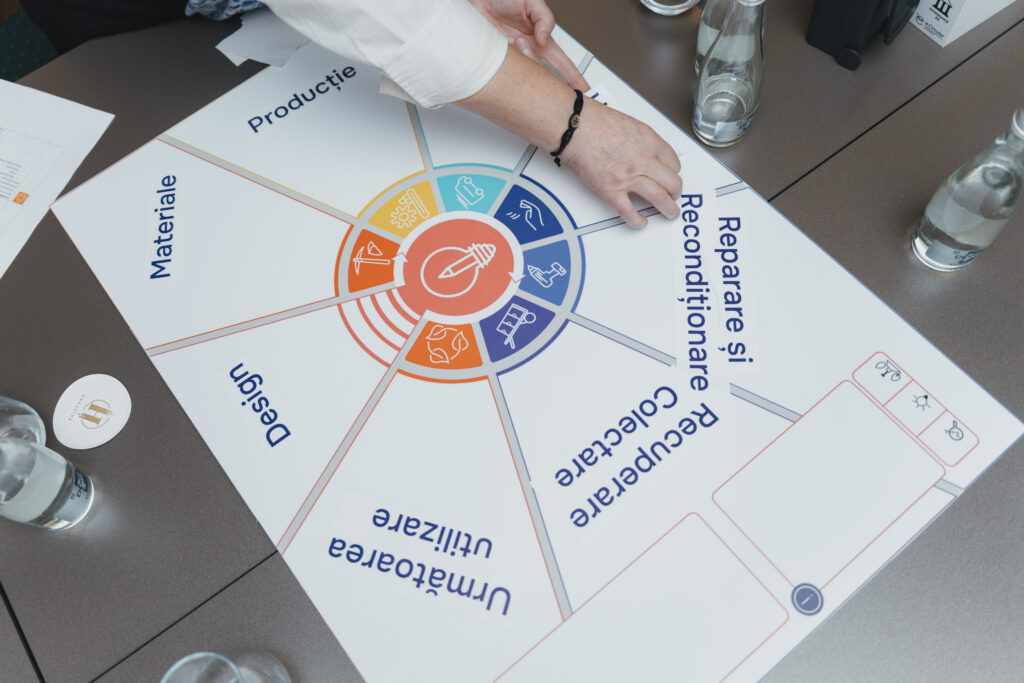
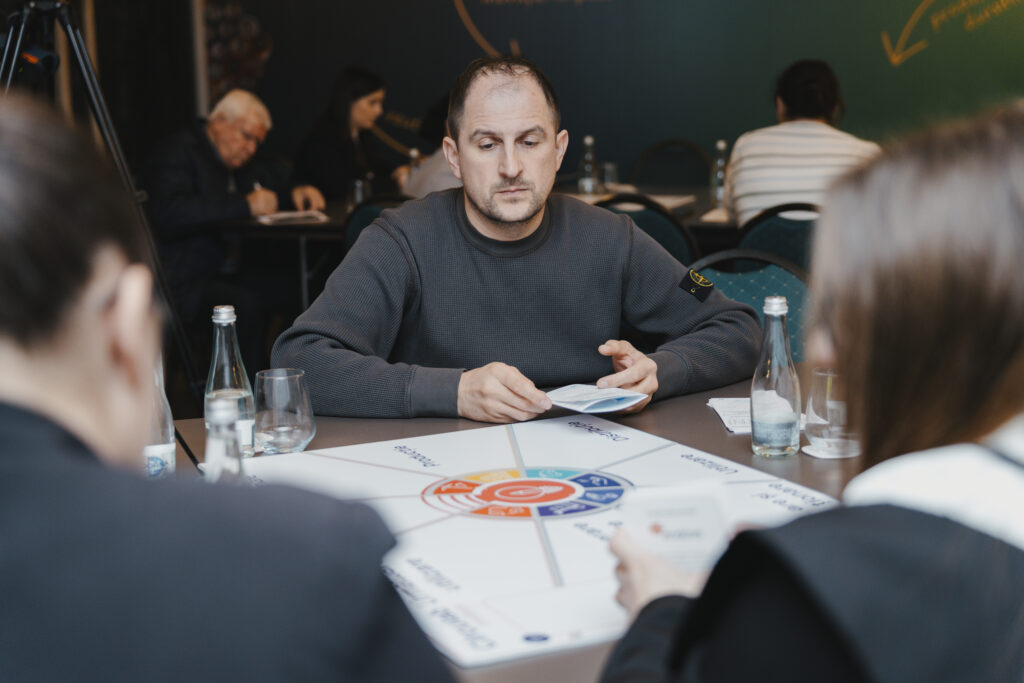
The second workshop focused on the REUSE model — from repair and refurbishment to services aimed at extending product lifecycles. Participants identified real business opportunities within the value chains of textiles, packaging, and equipment.

Day 3 – Study Visits: Circularity in Action
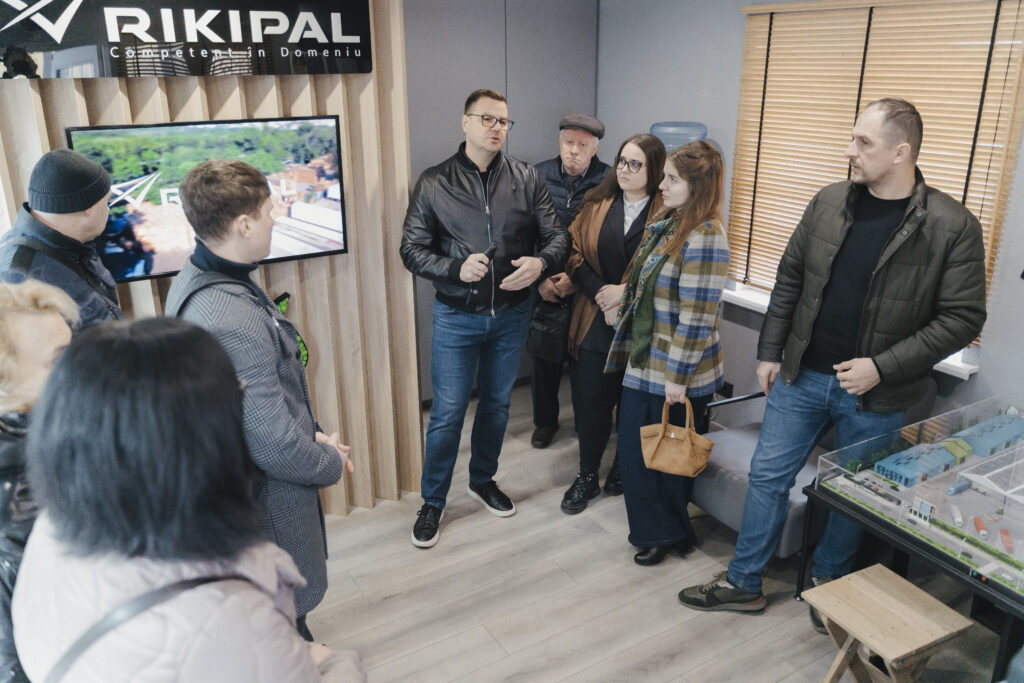
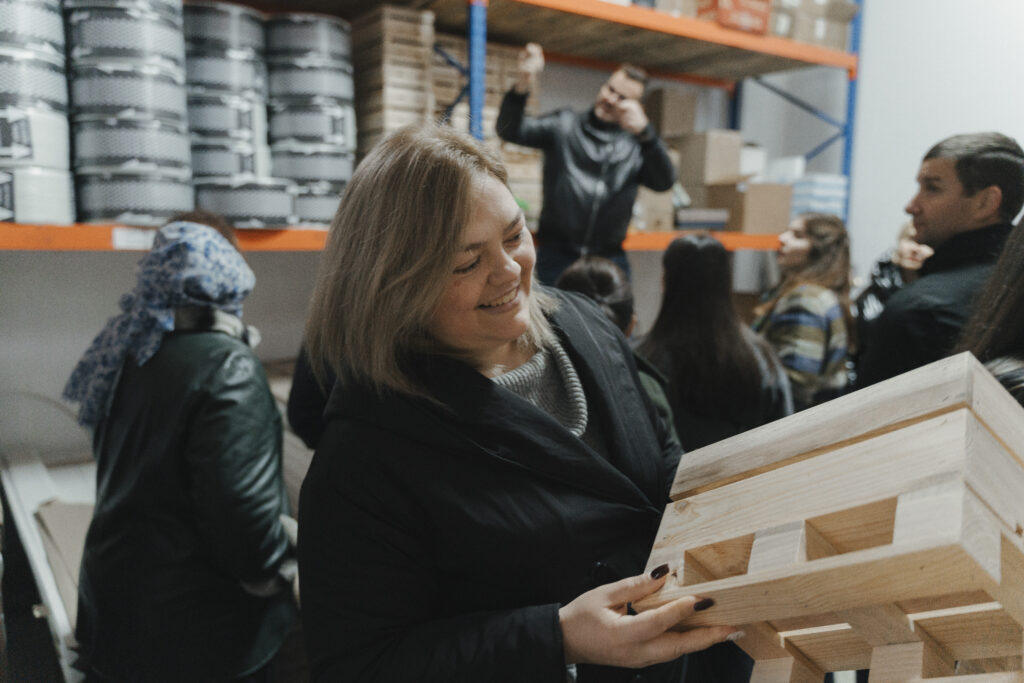
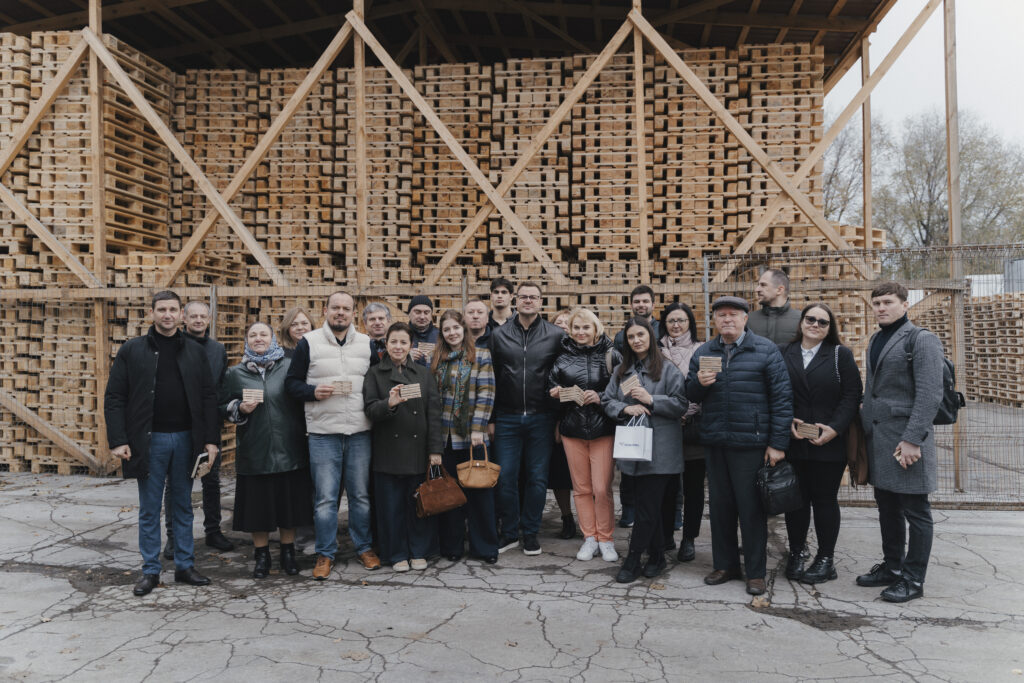
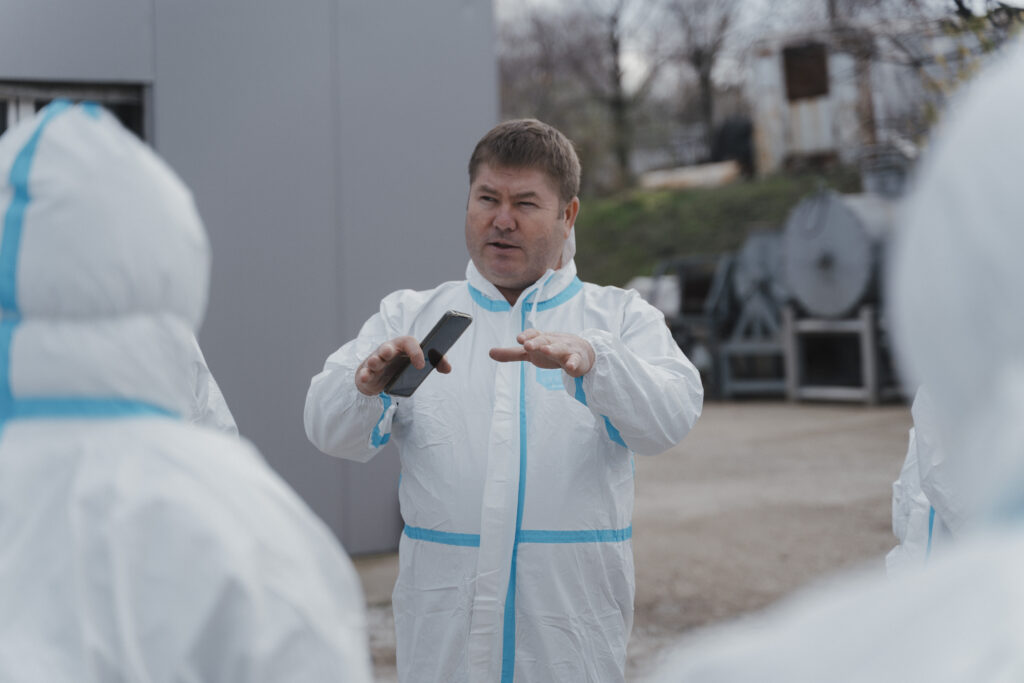
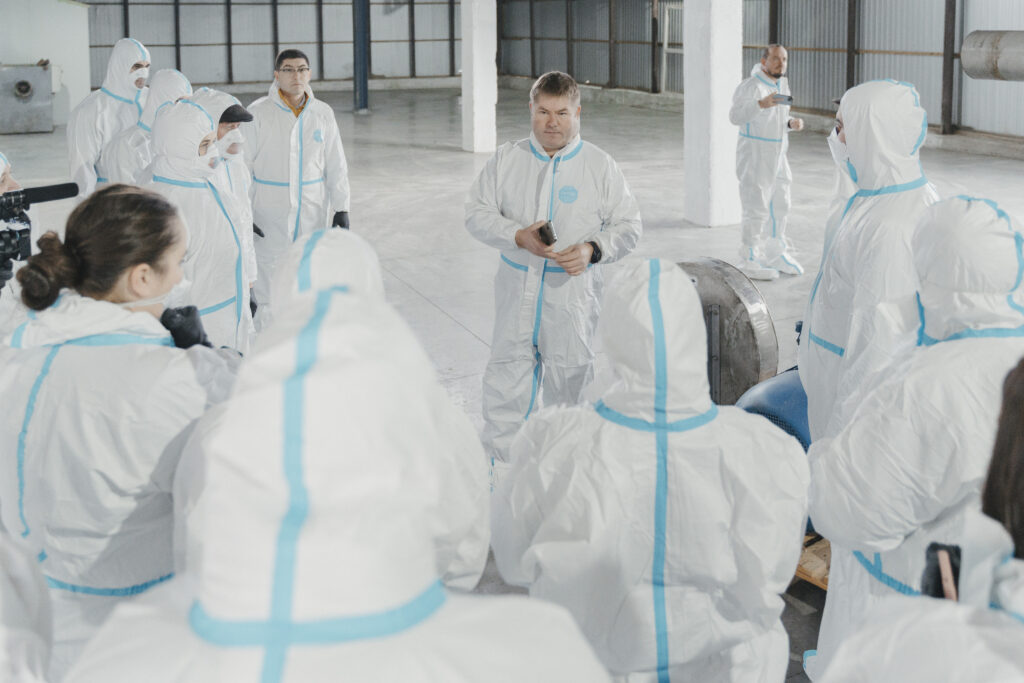
The final day included visits to two model companies for the circular economy. At RIKIPAL SRL, participants observed processes for collecting, reconditioning, and reusing wooden pallets, while at Terafix SRL they explored technologies through which industrial organic waste (poultry feathers and bones) is transformed into protein concentrate, highlighting Moldova’s potential in the bioeconomy.



The 3rd edition of the conference demonstrated that the transition to a circular economy requires intersectoral collaboration, innovation, and coherent public policies. The dialogue, concrete examples, and solutions shared during the event will contribute to the development of more effective policies, the direction of investments toward sustainable projects, and the strengthening of Moldova’s economic resilience. The circular economy is no longer an option but a strategic necessity for environmental protection, economic competitiveness, and European integration.
The 2025 edition of the conference was made possible with the support of Swiss Cooperation in Moldova, Embassy of Sweden in Chisinau, UNDP Moldova, și a Programului RECONOMY